Research Interests
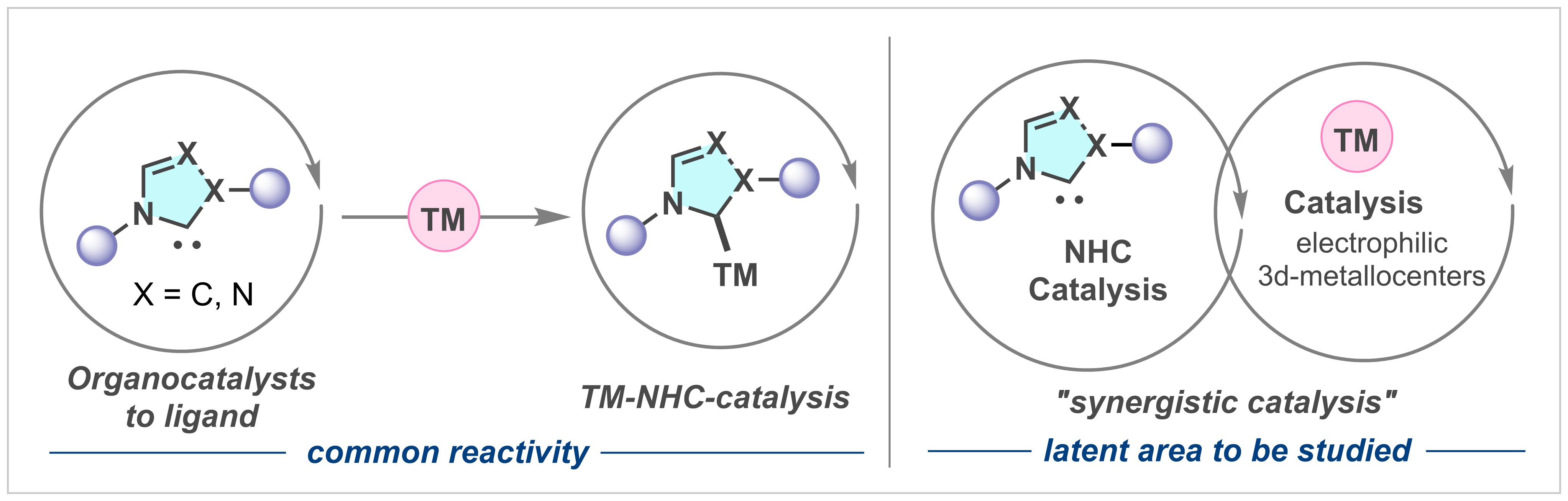
Transition Metal and Organo-Catalysis
(a) Organo-catalysis, especially N-heterocyclic carbene, iminium catalysis, organoboron, phosphines. (b) Transition metal catalysis and bond activations (c) Cooperative transition metal and organo-catalysis. (d) Efficient systems and ligands designed for modern synthetic chemistry. (e) 3d metals such as Ni, Co, Fe, Cu, and Mn catalyze organic reactions through oxidative addition, reductive elimination, transmetallation, and one-electron pathways. Their ability to switch between oxidation states enables the formation of C–C and C–heteroatom bonds. Dual metal–organocatalysis combines metal-mediated activation with organocatalytic control, improving selectivity and efficiency.
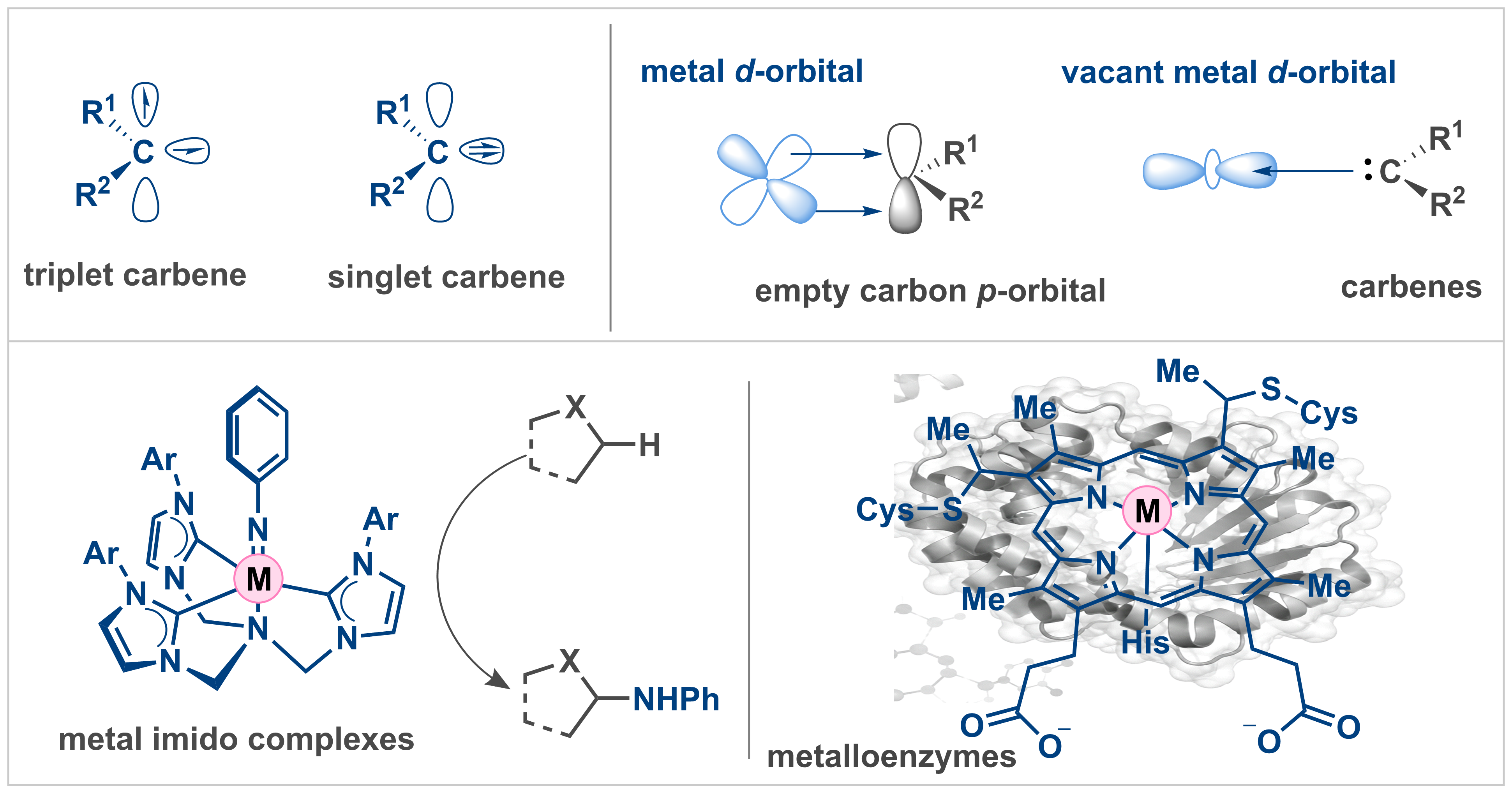
Metallo-Carbene, Metallo-Nitrene and Metallo-Enzyme Chemistry
(a) Study of metal-carbon frameworks and reactive intermediates. (b) Includes carbene-like and cluster-based species. (c) Important for catalysis and organometallic reactivity (d) Metalloenzymes containing bound metal ions (Fe, Cu, Zn, Mn) in catalysis. (e) Molecular Design - Designing new metal complexes with controlled structures and properties for chemical and biological applications. (f) Catalytic Applications - Development of metal-based catalysts for efficient and selective chemical transformations.
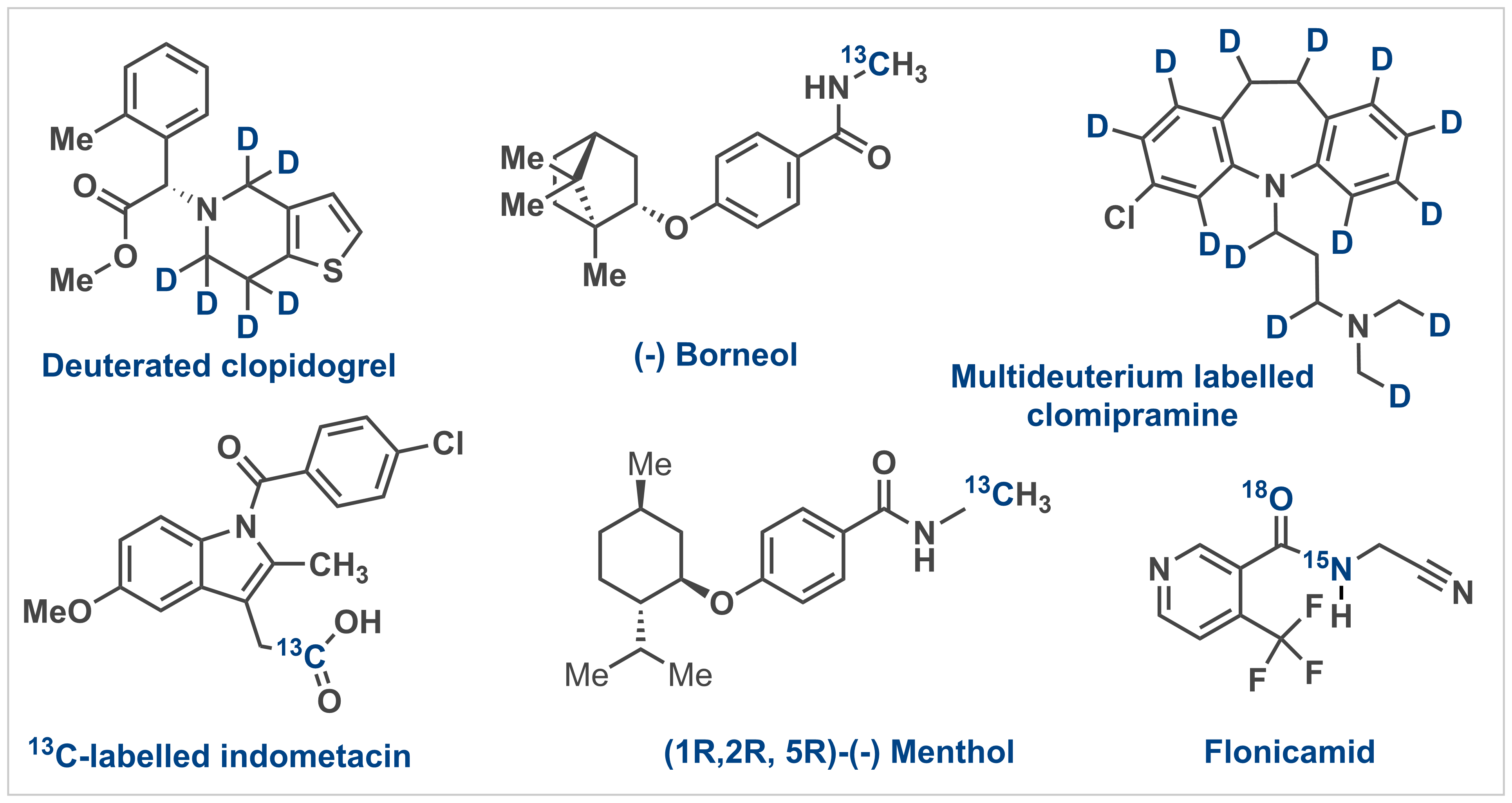
Method Development for Isotope Labelling of Applied Molecules
(a) Synthesis and Utilisation of ¹³C, ²H, ¹⁵N for tracing reaction pathways. (b) Essential for mechanistic and metabolic studies.(c) Drug discovery and pharmaceutical research - ADME and metabolic studie. (d) Metabolomics - tracing metabolic pathways. (e) Biochemistry - studying reaction mechanisms and molecular interactions. (f) Agriculture - nutrient uptake and pesticide fate. (g) Materials science - studying molecular dynamics and reaction pathways. (h) PET and molecular imaging - radiolabelled diagnostic compounds.
Targeted Asymmetric Synthesis and Bio-Applications
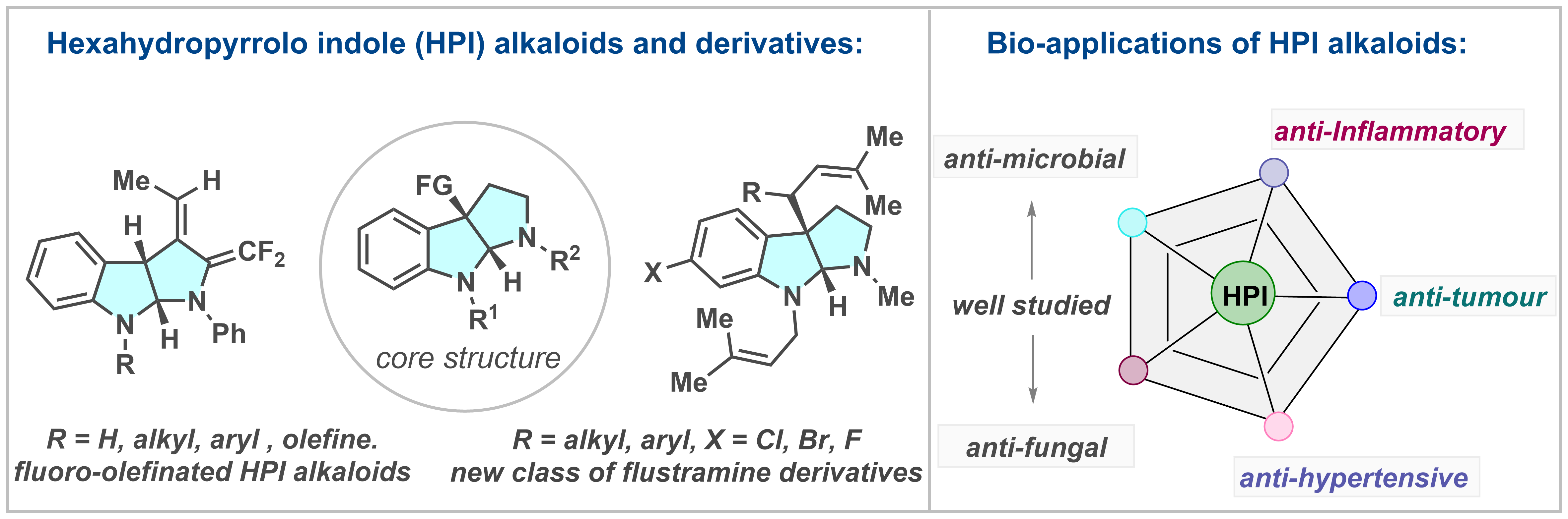
(a) Design of molecules includes Indole alkaloid multi-cyclic derivatives (b) Method development for controlling enantio- and dia-stereoselectivity in synthesis. (c) Key applications in drug and natural product synthesis.(d) Synthesis and evaluation of chiral HPI alkaloids with potential biological activity and modification of molecular structures to investigate and improve biological properties.
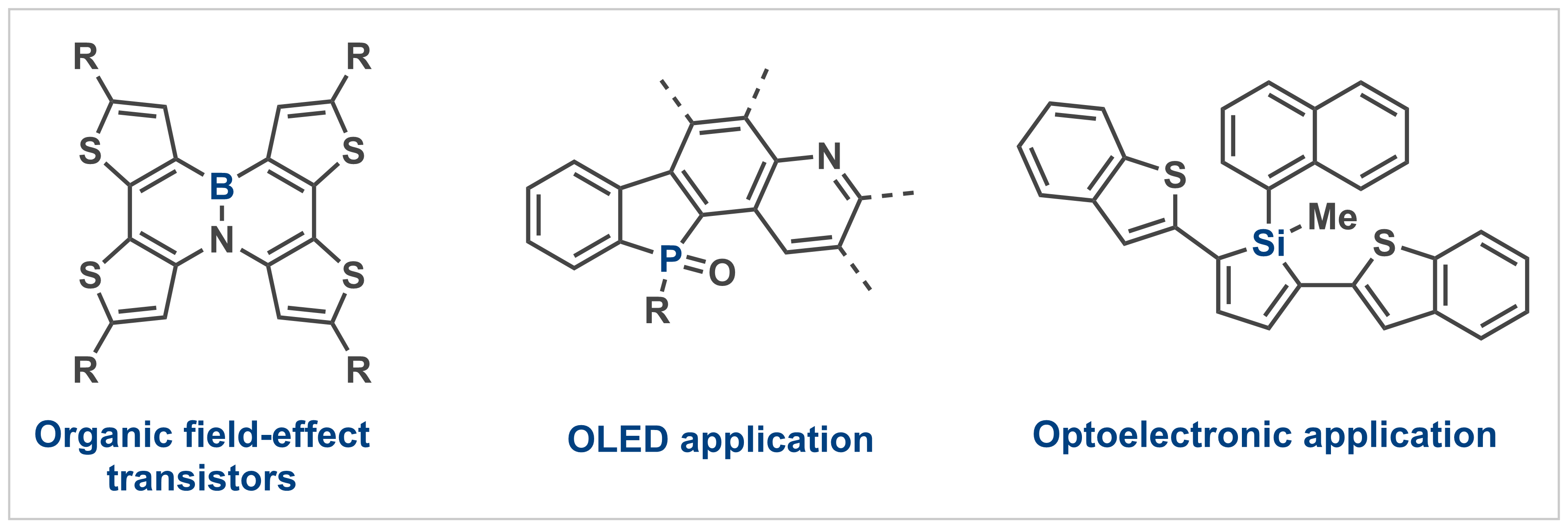
Carbo-Heterocycles Incorporating Phosphorus (P), Boron (B), Silicon (Si)
(a) Construction of N-heterocycles and functional heteroatom systems including boron-, phosphorus-, and silicon-containing rings. (b) Widely used in pharmaceuticals and materials science.(c) Carbo-heterocycles containing P, B, and Si have important applications in medicinal chemistry, organic synthesis, catalysis, sensors, and advanced materials. Their unique properties make them useful in drugs, fluorescent dyes, electronic devices, polymers, and pharmaceuticals.